


Introduction
Buying a new home is an exciting milestone, but it also comes with an important responsibility: making the right decision. A beautiful exterior or attractive offer may catch your attention, but a good home is about much more than appearance. Location, construction quality, layout, legal documentation, amenities, and long-term value all deserve careful consideration.
For first-time buyers and families planning to upgrade, knowing what to check before buying a new home can make the entire process easier and more confident.
In 2026, homebuyers are increasingly looking beyond just size and price. They want homes that support modern lifestyles, provide safety and comfort, and remain valuable for years to come.
Here are seven important things every buyer should consider before making a property decision.
1. Check the Location and Connectivity
Location remains one of the most important factors in real estate.
A home should not only look good today; its surroundings should also have the potential to remain convenient in the future. Before buying, consider how easily the property connects to important parts of the city.
Look at factors such as:
- Road connectivity
- Public transportation
- Schools and educational institutions
- Hospitals and healthcare facilities
- Shopping and commercial areas
- Offices and business hubs
- Availability of everyday services
It is also worth understanding planned infrastructure and development around the property. Better connectivity and improving infrastructure can influence both lifestyle convenience and long-term property value.
A good location can make everyday life easier while also supporting the property’s future resale potential.
2. Evaluate the Home Layout and Usable Space
The size mentioned in a property advertisement isn’t the only thing that matters. Buyers should understand how effectively that space has been planned.
A well-designed home should provide comfortable movement between rooms and enough space for everyday activities.
When evaluating a home, consider:
- Bedroom sizes
- Living and dining areas
- Kitchen functionality
- Storage space
- Natural light
- Ventilation
- Balcony or outdoor areas
- Privacy between rooms
For families, flexibility is especially important. An additional room can become a children’s study area, home office, guest room, or personal space as requirements change.
The best home isn’t necessarily the largest one. It is the one where available space is planned intelligently for the people who will live there.
3. Check Construction Quality and Specifications
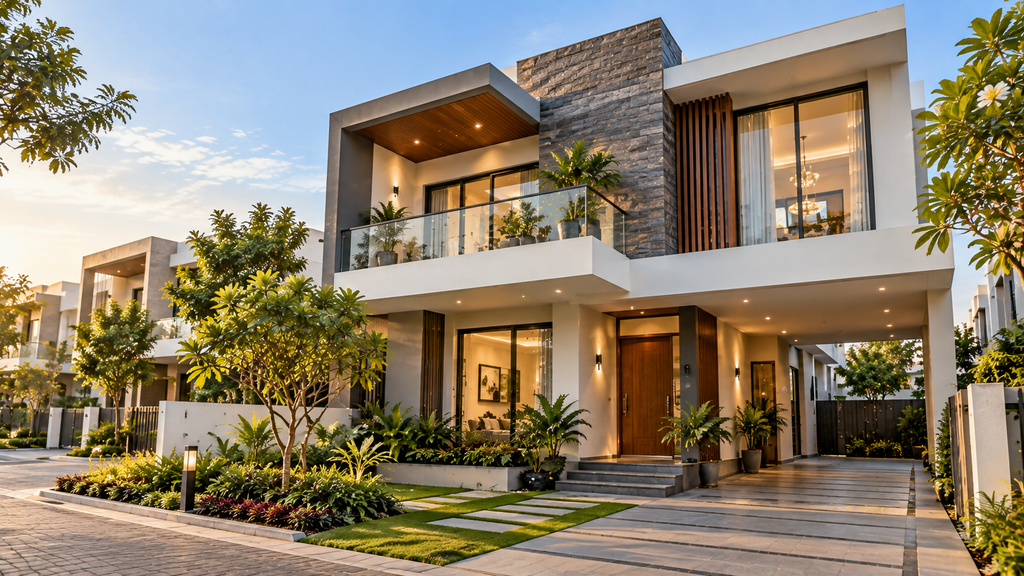
A property can have an attractive design, but construction quality is what determines how well the home performs over time.
Before buying, ask the developer about the construction system, materials, finishes, electrical work, plumbing, doors, windows, flooring, and structural specifications.
For example, buyers should understand:
- Structural design and safety measures
- Quality of flooring
- Wall finishes and exterior coatings
- Electrical wiring and switches
- Bathroom fittings
- Kitchen finishes
- Doors and windows
- Water storage and supply systems
At Okkala Group, quality and thoughtful planning are important parts of the residential development approach. For example, the Ozone Avenue project brochure specifies an earthquake-resistant RCC frame structure, premium vitrified flooring, concealed premium-quality wiring, branded modular switches, designer bathrooms, and weather-proof exterior finishes.
These details may not always be obvious during a property visit, which is why buyers should ask questions and review the specifications carefully.
4. Look Beyond the Home: Check the Amenities

Modern homeowners increasingly expect their residential community to support everyday life.
Amenities should not simply be a list of attractive features in a brochure. Think about whether they will actually benefit your family.
Useful residential amenities can include:
- 24×7 security
- CCTV surveillance
- Children’s play areas
- Walking tracks
- Senior citizen areas
- Internal roads
- Street lighting
- Power backup
- Reliable water supply
- Open and community spaces
For example, Ozone Avenue by Okkala Group includes features such as 24×7 security, CCTV surveillance, a children’s play area, senior citizen sitting areas, a walking track, power backup, 24×7 water supply, internal RCC roads with street lighting, and a decorative entrance gate.
The important point is to consider how these facilities improve everyday living, rather than choosing a property based only on the number of amenities.
5. Verify Legal Documents and Project Approvals

This is one step buyers should never skip.
Before making a purchase, verify the property’s legal status and relevant approvals. Depending on the property and project, documentation may include title documents, sanctioned plans, approvals, agreements, registration information, and other applicable records.
Buyers should also understand their rights and responsibilities under India’s real estate regulatory framework.
The Government of India’s RERA information provides useful background on the Real Estate (Regulation and Development) Act:
If you are considering a registered project, verify the relevant information through the applicable state RERA authority.
Don’t hesitate to seek independent legal advice when you are unsure about a document. Spending time on verification before purchase can help prevent significant problems later.
6. Calculate the Complete Cost, Not Just the Property Price
One common mistake buyers make is focusing only on the advertised property price.
The actual cost of owning a home can include several additional expenses, depending on the property and transaction.
Consider:
- Down payment
- Home loan interest
- Registration charges
- Stamp duty
- Applicable taxes
- Maintenance charges
- Parking charges, where applicable
- Interior and furnishing expenses
- Utility connections
- Other project-specific costs
Create a realistic budget before finalizing a property.
If you’re taking a home loan, don’t calculate affordability based only on whether the bank approves the loan. Consider whether the monthly EMI remains comfortable alongside your regular household expenses, savings, insurance, education costs, and emergency fund.
A home should improve your financial security—not put unnecessary pressure on it.
7. Think About Long-Term Value
A home is usually a long-term decision. Even if you are purchasing primarily for personal use, it is sensible to consider how the property may perform in the future.
Ask yourself:
Will this home still meet my family’s needs five or ten years from now?
Also consider:
- Future infrastructure development
- Quality of the surrounding neighborhood
- Developer reputation
- Property maintenance
- Resale demand
- Rental potential
- Overall construction quality
A well-planned property in a developing and well-connected area can have stronger long-term potential than a property selected purely because it is cheaper.
What Makes a Home a Smart Purchase in 2026?
Homebuyers today are becoming more informed. They want more than a large floor plan or attractive interiors.
A smart home purchase should combine:
| Factor | What Buyers Should Look For |
|---|---|
| Location | Connectivity and essential services |
| Design | Efficient and flexible layouts |
| Construction | Quality materials and structural planning |
| Safety | Security and surveillance |
| Lifestyle | Useful amenities and open spaces |
| Documentation | Proper approvals and clear records |
| Finance | Comfortable overall affordability |
| Future Value | Resale and long-term potential |
When these factors come together, buyers can make a decision based on value rather than emotion alone.
Why Developer Selection Matters
The developer you choose can have a major influence on your property-buying experience.
Before selecting a project, research the developer’s approach to:
- Construction quality
- Project planning
- Customer communication
- Documentation
- Timelines
- Amenities
- After-sales support
Don’t rely only on advertisements. Visit the project, ask questions, examine specifications, and understand what is actually being offered.
For a residential development such as Ozone Avenue, Okkala Group project vision focuses on creating homes that combine comfort, space, peace, quality, trust, and thoughtful planning.
A Simple Home-Buying Checklist
Before making your final decision, take a step back and review the property objectively.
- Have I checked the location and connectivity?
- Does the layout suit my family’s current and future needs?
- Have I reviewed the construction specifications?
- Are the amenities genuinely useful for my lifestyle?
- Have I verified the required legal documents and approvals?
- Have I calculated the complete cost of ownership?
- Have I researched the developer?
- Does the property fit comfortably within my financial plan?
- Have I compared it with other suitable options?
If the answer to these questions is yes, you’ll be in a much stronger position to make an informed purchase.
Frequently Asked Questions
What is the most important thing to check before buying a home?
There isn’t one single factor. Location, legal documentation, construction quality, affordability, layout, and future value should all be considered together.
How important is construction quality?
Construction quality is extremely important because it affects the property’s safety, durability, maintenance, and long-term value.
Should I choose a home based only on price?
No. A lower price doesn’t necessarily mean better value. Compare the location, specifications, amenities, documentation, and long-term potential before making a decision.
What documents should I verify before buying?
The exact documents vary by property and transaction. Buyers should verify ownership, applicable approvals, sanctioned plans, project registration where applicable, agreements, and other relevant legal records. Professional legal advice can be valuable.
Are amenities important when buying a home?
Yes, but buyers should focus on useful amenities rather than simply counting them. Security, water supply, roads, open spaces, power backup, and family-oriented facilities can contribute meaningfully to everyday living.
Is a new home a good long-term investment?
A well-selected property can provide long-term utility and potentially appreciate over time, but real estate returns are not guaranteed. Buyers should evaluate the property, location, finances, and market conditions carefully.
Conclusion
Buying a new home is about much more than finding a property that looks attractive. It is about choosing a place that fits your family’s lifestyle, financial plan, and future aspirations.
By checking the location, layout, construction quality, amenities, legal documentation, total cost, and long-term value, you can approach the buying process with greater confidence.
For Okkala Group, the goal is to create thoughtfully planned residential spaces where families can experience comfort, security, and a better quality of life. Whether you’re exploring a 3BHK home, a duplex, or another residential option, taking the time to understand what you’re buying is always a smart first step.
The right home isn’t simply the one you can buy. It’s the one that continues to feel right long after you move in.